
Varicose veins and spider veins are common circulatory system problems that, in addition to affecting appearance, can cause pain, heaviness, fatigue, and swelling in the legs. Today, modern minimally invasive methods such as leg vein laser therapy and sclerotherapy have replaced many traditional surgical procedures and can provide very good results in the treatment of varicose veins. The choice of the appropriate treatment method depends on the type, size, and severity of the affected veins and is determined by a vascular specialist.
What Is Sclerotherapy?
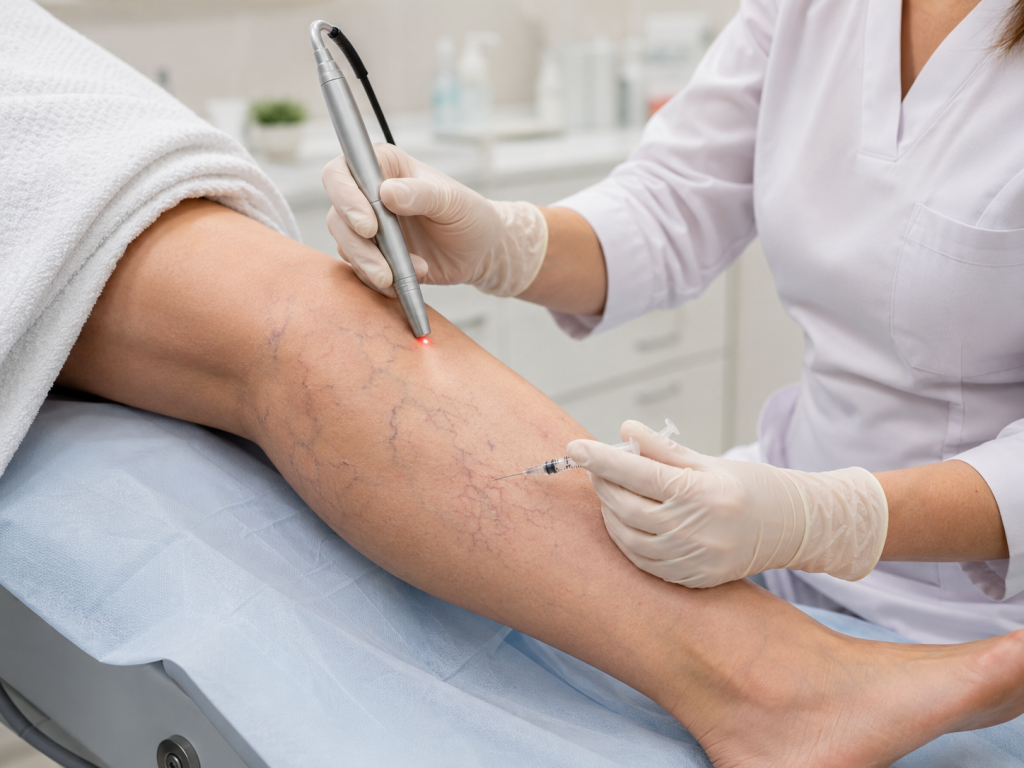
Sclerotherapy is one of the most common treatments for varicose veins and spider veins. During this procedure, the doctor injects a special substance called a “sclerosant” into the affected vein using a very fine needle. This substance irritates the inner lining of the vein, causing the vein walls to stick together and the vein to close. Over time, the treated vein is absorbed by the body and gradually fades.
Sclerotherapy is commonly used for small veins, spider veins, and small to medium-sized varicose veins. In some cases, ultrasound-guided foam sclerotherapy may also be used to treat larger veins. The procedure does not usually require general anesthesia, and patients can typically resume their normal daily activities shortly after treatment.
How Is Leg Vein Laser Treatment Performed?
Leg vein laser therapy is an advanced method for treating varicose veins. In this technique, laser energy is delivered directly to the vein or through an optical fiber inserted into the vein, causing the affected vein to heat up, close, and eventually disappear. Endovenous laser treatment (EVLT or EVLA) is primarily used to treat larger varicose veins and insufficiency of the major veins in the legs. This procedure is performed under local anesthesia and does not require open surgery or a prolonged hospital stay.
For very small and superficial veins, transcutaneous laser treatments may also be used. The type of laser and intensity of treatment are selected according to the diameter of the affected vessels and the patient’s condition. Research has shown that both laser treatments and sclerotherapy are effective, minimally invasive options for treating varicose veins.
Benefits of Leg Vein Laser Therapy and Sclerotherapy
The benefits of these treatment methods include:
- No need for open surgery or general anesthesia
- Relatively short treatment time
- Quick return to daily activities
- Reduction in pain, swelling, and heaviness in the legs
- Improved appearance of visible veins and the skin
- Low risk of scarring
Compared with traditional surgery, these methods generally involve a shorter recovery period and can be suitable treatment options for many patients.
Aftercare Following Treatment
After laser therapy or sclerotherapy, the doctor may recommend wearing compression stockings, walking daily, and avoiding prolonged periods of standing or sitting. Following these recommendations can help improve treatment outcomes and reduce the likelihood of varicose veins recurring. Some patients may also require more than one treatment session to achieve the desired results.
Conclusion
Laser therapy and sclerotherapy are among the most effective methods for treating varicose veins and spider veins in the legs. These minimally invasive treatments can improve both symptoms and the appearance of the legs without the need for traditional surgery. The most appropriate treatment depends on the type and size of the affected veins, the severity of the condition, and the vascular specialist’s assessment. Early evaluation by a specialist can help prevent the progression of varicose veins and reduce the risk of potential complications.