
Varicose veins are one of the most common vascular conditions and develop due to impaired function of the valves inside the veins. In this condition, blood accumulates in the veins instead of flowing normally back toward the heart, causing the veins to enlarge, twist, and become more prominent. Many people consider varicose veins only a cosmetic concern, but the condition can also be associated with pain, leg heaviness, swelling, muscle cramps, and even chronic ulcers. Today, advances in medical technology have made several treatment options available, many of which can be performed without open surgery and allow patients to return to their daily activities within a short period of time.
What Are Varicose Veins?
Varicose veins develop when the valves inside the veins lose their ability to properly direct blood flow. Normally, these valves prevent blood from flowing backward. However, when they do not function properly, blood remains inside the veins and pressure within the venous system increases. As a result, the veins gradually become swollen, enlarged, and twisted. This condition is most commonly seen in the legs because the veins in this area must carry blood back toward the heart against the force of gravity. Varicose veins may initially cause only visible changes, but if left untreated, they can lead to more serious health problems.
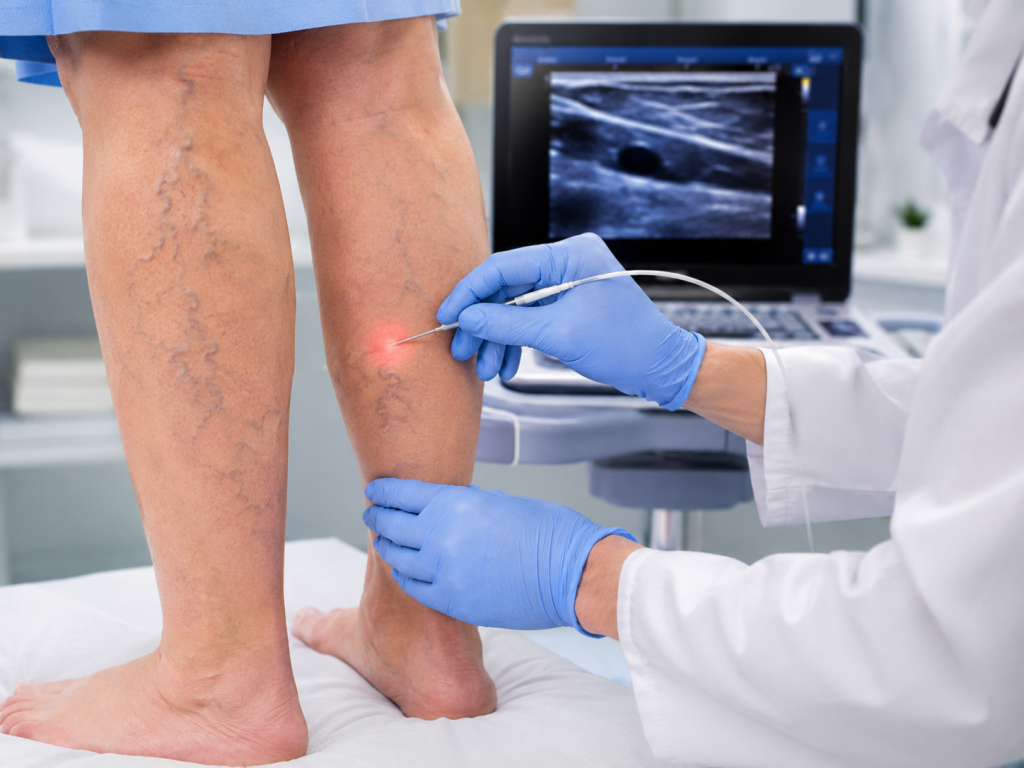
Symptoms of Varicose Veins
The symptoms of varicose veins vary from person to person, and their severity depends on how advanced the condition is. Some patients may notice only prominent veins and changes in skin color, while others experience pain, burning, heaviness, and persistent fatigue in the legs. These symptoms often become worse after prolonged periods of standing or sitting and may improve somewhat with rest or elevation of the legs. In more advanced stages, ankle swelling, itching, skin discoloration, and even venous ulcers may develop, indicating the need for specialized treatment.
Causes of Varicose Veins
Varicose veins usually result from a combination of genetic factors, lifestyle factors, and increased pressure on the veins of the legs. If a family member has varicose veins, other family members may also have a higher risk of developing the condition. Aging can also weaken the vein walls and venous valves, increasing the risk of varicose veins. Pregnancy, excess weight, physical inactivity, prolonged sitting or standing, and hormonal changes are also among the major contributing factors. For this reason, varicose veins are more common in certain occupations, including hairdressing, retail work, nursing, and surgery.
Varicose Vein Treatment Methods
The most appropriate treatment for varicose veins depends on the severity of the condition, the size of the affected veins, the patient’s overall health, and the specialist’s assessment. In recent years, minimally invasive techniques have increasingly replaced traditional surgical procedures, allowing many patients to receive treatment with less discomfort and shorter recovery periods.
- Sclerotherapy: In this procedure, a special solution is injected into the affected vein, causing the vein walls to close. Over time, the treated vein is gradually absorbed by the body. Sclerotherapy is mainly used for small and medium-sized veins and is usually performed without general anesthesia.
- Endovenous Laser Treatment (EVLT): This is one of the advanced methods used to treat varicose veins. A laser fiber is inserted into the affected vein, and laser energy is used to close the vein from the inside. Due to minimal discomfort, no need for open surgery, favorable treatment outcomes, and a rapid return to daily activities, EVLT has become one of the commonly used treatments for varicose veins.
Are Untreated Varicose Veins Dangerous?
Many people live with varicose veins for years and assume that the condition only affects the appearance of their legs. However, untreated varicose veins can lead to a range of complications. Increased pressure within the veins may contribute to inflammation, bleeding from prominent veins, blood clots, and chronic venous ulcers, which can be more difficult to treat. Pain and heaviness in the legs may also interfere with daily activities, exercise, and even sleep quality. For this reason, people who notice early signs of varicose veins are advised to seek medical evaluation.
Aftercare Following Varicose Vein Treatment
Following treatment, adherence to the doctor’s recommendations plays an important role in supporting recovery and reducing the likelihood of recurrence. Most patients can walk within a few hours after laser treatment or sclerotherapy and resume light daily activities. However, wearing compression stockings for the recommended period, walking regularly, maintaining a healthy weight, drinking enough water, and avoiding prolonged standing or sitting are among the key measures that may help improve circulation and support longer-lasting treatment results.
How to Help Prevent Varicose Veins
Although not all cases of varicose veins can be prevented, certain lifestyle measures may help reduce the risk of developing the condition or slow its progression.
- Regular physical activity such as walking, swimming, or cycling, maintaining a healthy weight, eating a fiber-rich diet, drinking enough water, and reducing salt intake may help support vascular health.
- It is also advisable to avoid prolonged periods of sitting or standing, elevate the legs slightly above heart level while resting, and use compression stockings when recommended by a doctor. These measures can help improve blood circulation and reduce pressure on the veins in the legs.
Conclusion
Varicose veins are a common vascular condition that can cause not only visible changes but also pain, swelling, leg heaviness, and more serious complications such as venous ulcers and blood clots. Fortunately, modern treatments such as Endovenous Laser Treatment (EVLT) and sclerotherapy provide effective, minimally invasive options and can often be performed without open surgery. Timely consultation with a specialist, accurate diagnosis, and selection of the appropriate treatment method are among the most important factors in preventing disease progression and maintaining healthy leg veins. These measures can not only reduce symptoms and improve quality of life but also help lower the risk of more serious complications in the future.